Interventional Radiology Procedures Offered at Sohana Hospital

Stroke Treatment

Mechanical Thrombectomy is a minimally invasive procedure that uses X-ray imaging and stenting to remove large blood clots from the brain to restore blood flow. A catheter is used to extract the clot to reopen the blood passage that allows oxygen-rich blood to reach the brain. Highly effective, no anesthesia required and provides rapid results.

Stroke Treatment in mohali
Varicose Veins Treatment in mohali
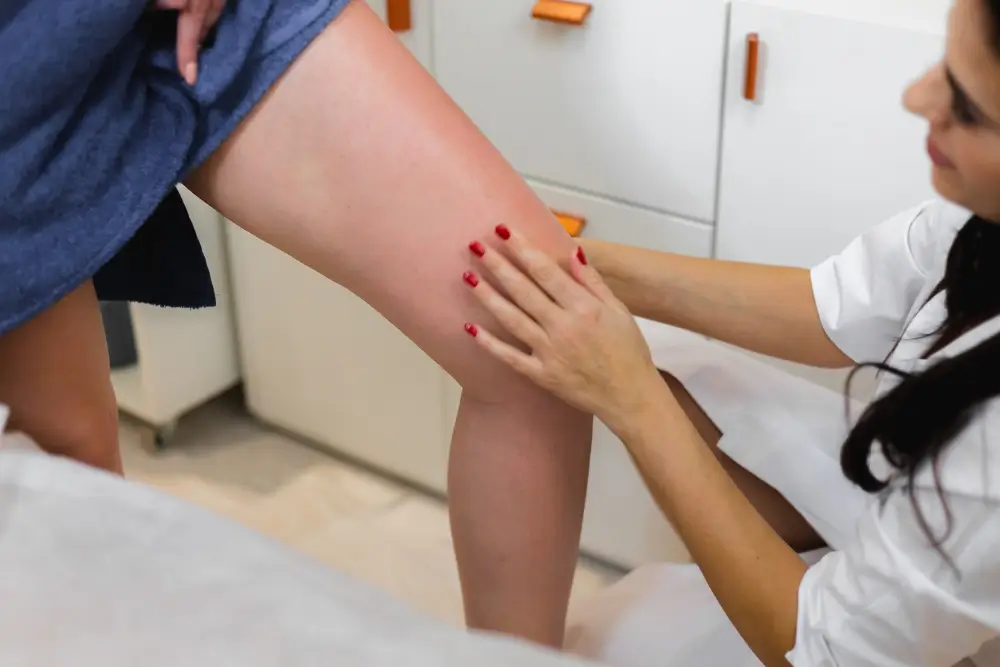
Varicose Veins Treatment

Varicose veins are twisting, knotting and swollen of the veins causing them to appear bluer than usual. Varicose veins may cause painful ulcers, blood clots and internal bleeding. Highly specialised Varicose Veins Treatment options available including VenaSeal Glue Therapy, Ablation & Laser Therapy.

Thyroid Enlargement

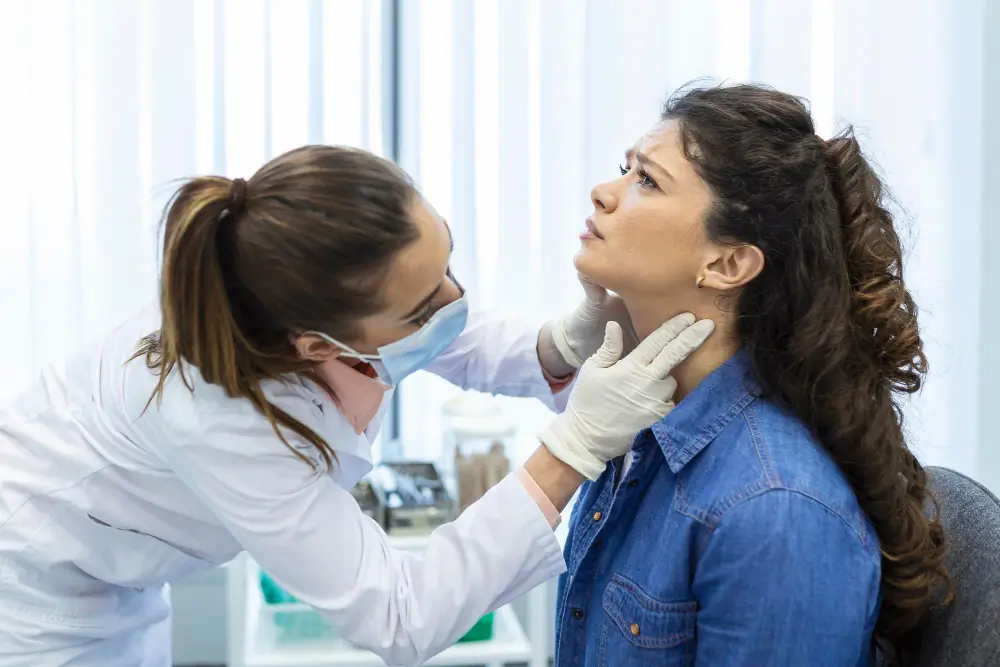
Complete treatment for a lump that forms in the thyroid gland, called a thyroid nodule. They are mostly non-cancerous but may often cause appearance issues. Some severe cases of swollen thyroid nodules may cause trouble breathing or swallowing. An Interventional Radiologist near me is proficient in Thyroid Artery Embolization, a permanent non-surgical treatment with no pain, no cut, no blood loss and same day recovery.

Thyroid Enlargement treatment in mohali
Peripheral Artery Disease in mohali
Peripheral Artery Disease

The narrowing of the peripheral arteries that supply blood to the legs due to buildup of plaque. This lack of blood supply leads to leg pain and cramping during any physical exercise or strenuous activities. Leaving PAD untreated can lead to severe complications such as gangrene which may require amputation.

Carotid Artery Stenting

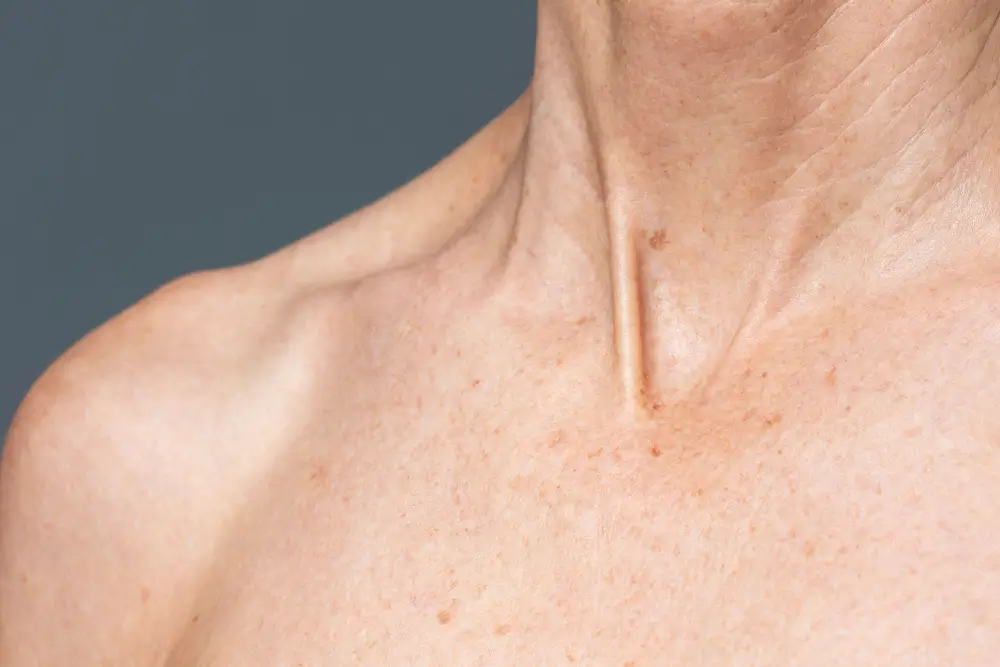
A blockage in the Carotid artery may cause restricted blood flow to the brain, oftentimes called a stroke. In such a scenario Carotid Artery Stenting is performed on a patient which is a minimally invasive image guided procedure conducted by an interventional radiologist near me wherein a balloon catheter insertion inflates open the narrowed artery.
Carotid Artery Stenting treatment in mohali
Deep Vein Thrombosis treatment in mohali
Deep Vein Thrombosis

Clot formation in the deep veins of the legs which causes swelling and pain is called deep vein thrombosis. Deep vein thrombosis can be life threatening as this clot can then travel to different parts of the body like the lungs and the brain causing stroke or pulmonary embolism.

Why Choose Interventional Radiologists at Sohana Hospital Mohali

The best interventional radiologist treats diseases with a specialised no cut technique requiring only a CATH Lab for procedures without general anaesthesia. Join us in your fight against varicose veins, stroke, peripheral artery diseases, deep vein thrombosis with special emphasis on painless treatments offering the least amount of side effects or downtime.

Minimally Invasive Technique
Experience of 15 years
Trusted by 15000+ patients & counting
Lower Risk with Better Outcomes

Frequently Asked Questions

What are the most common types of conditions that interventional radiologists treat?
Answer: Interventional Radiologists treat a wide range of conditions like different types of Cancers, Aneurysms, Varicose Veins, Uterine Fibroids and Peripheral Arterial Disease (PAD) etc. The treatment is done through minimally invasive procedures involving the insertion of catheters and wires through internal jugular, common femoral, and subclavian veins.
Answer: Interventional radiology reduces the cost, recovery time, pain and risk of infections in patients who would otherwise need an open surgery. People who have conditions which can be treated with minimal invasion with the help of imaging technology should consider visiting an interventional radiologist near me. Some of these conditions include Varicose Veins, Blood Clots, Tumors, Infections, Blood Vessel Blockages, Spinal fractures etc.
Answer: An interventional radiologist is a Doctor who uses devices like needles, catheters, and wires to perform minimally invasive, image-guided procedures. These imaging techniques include X-rays, CT scans, Ultrasounds, and fluoroscopy. Interventional Radiologists undergo around seven years of specialized training after medical school, followed by a two-year fellowship program. The surgeries performed by an interventional radiologist have less risk, pain, and recovery time, and can eliminate the need for hospitalization
Answer: There are many forms of treatment available for Varicose Veins. The choice of therapy depends on patient preference, cost and other factors. The options available for the treatment of varicose veins include Sclerotherapy, Laser Treatment, Endovenous ablation, Endoscopic vein surgery, and Compression stockings.
Answer: The positive outcomes of stroke treatment are heavily dependent on the type of stroke and promptness of the treatment. Mechanical Thrombectomy is one of the best interventional radiography treatment options for stroke. It is a minimally invasive procedure that aims to remove the blood clot from an artery while using a catheter to restore the blood flow.
E
m
e
r
g
e
n
c
y